U Crnoj Gori danas sve češće čujemo isto pitanje: da li se solarni paneli isplate i da li je sada pravi trenutak za takvu investiciju?
To više nije pitanje rezervisano za entuzijaste ili velike investitore. Postalo je realno i svakodnevno, za vlasnike kuća, ali još više za kompanije koje traže način da stabilizuju svoje troškove i smanje zavisnost od tržišta energije.
Na prvi pogled, odgovor djeluje jednostavno. Imamo puno sunčanih dana, tehnologija je dostupna i tržište se razvija. Međutim, ono što se često previđa jeste da solarni sistem nije proizvod koji kupujete, već rješenje koje se projektuje.
I upravo u toj razlici leži najveća vrijednost.
Zašto cijena solarnih panela nije najvažnija stvar?
Jedna od prvih stvari koju ljudi pretražuju jeste cijena. Koliko koštaju solarni paneli u Crnoj Gori i koliko brzo se investicija vraća.
To je razumljivo, ali često vodi u pogrešnom smjeru.
Dva sistema mogu imati sličnu početnu cijenu, a potpuno različite rezultate kroz vrijeme. Razlika se ne vidi odmah, već kroz godine, u količini proizvedene energije, stabilnosti rada i ukupnoj isplativosti.
Zato se solarni sistem ne bira kao proizvod sa police, već kao kombinacija odluka: kakvi paneli se koriste, kako je riješena konstrukcija, koji inverter upravlja sistemom i, najvažnije, kako je sve to međusobno usklađeno.
Drugim riječima, ključ nije u tome koliko sistem košta na početku, već koliko vrijednosti generiše tokom svog vijeka.
Kako zapravo funkcioniše jedan solarni sistem?
Da bi se razumjela ova logika, korisno je pojednostaviti stvari.
Solarni paneli prikupljaju sunčevu energiju i pretvaraju je u električnu, ali u obliku koji se ne može direktno koristiti. Tu dolazi inverter, koji tu energiju prilagođava za svakodnevnu upotrebu. Sve to mora biti stabilno postavljeno i zaštićeno konstrukcijom koja trpi spoljne uslove, vjetar, temperaturu, vlagu.
Na papiru, to djeluje jednostavno. U praksi, razlike između kvalitetnog i prosječnog sistema upravo nastaju u tim detaljima.
Ako panel gubi efikasnost kroz vrijeme, ako konstrukcija nije prilagođena krovu ili ako inverter ne omogućava dobru kontrolu sistema, ukupni rezultat će biti ispod očekivanja.
Zato ozbiljni projekti uvijek počinju analizom, a ne izborom opreme.
Koliko se solarni paneli isplate u realnim uslovima?
U kontekstu Crne Gore, uslovi za proizvodnju solarne energije su vrlo povoljni. Veliki broj sunčanih dana omogućava stabilnu proizvodnju tokom godine, što direktno utiče na ekonomsku opravdanost sistema.
U prosjeku, dobro projektovan sistem može vratiti investiciju u periodu od pet do osam godina. Nakon toga, energija koju proizvodi postaje praktično besplatan resurs.
Ali ta računica važi samo pod jednim uslovom, tj. da je sistem pravilno dimenzionisan i optimizovan.
U suprotnom, očekivani efekti mogu biti značajno niži.
Kako izgleda kvalitetno rješenje u praksi – primjer Glosarij
Najbolji način da se ovo razumije nije kroz teoriju, već kroz konkretan primjer.
Na projektu realizovanom za kompaniju Glosarij, pristup je od samog početka bio jasan: sistem mora biti dugoročno stabilan, tehnički pouzdan i finansijski opravdan.
U tom kontekstu, XEnergy je preuzeo kompletnu odgovornost za projektovanje i realizaciju.
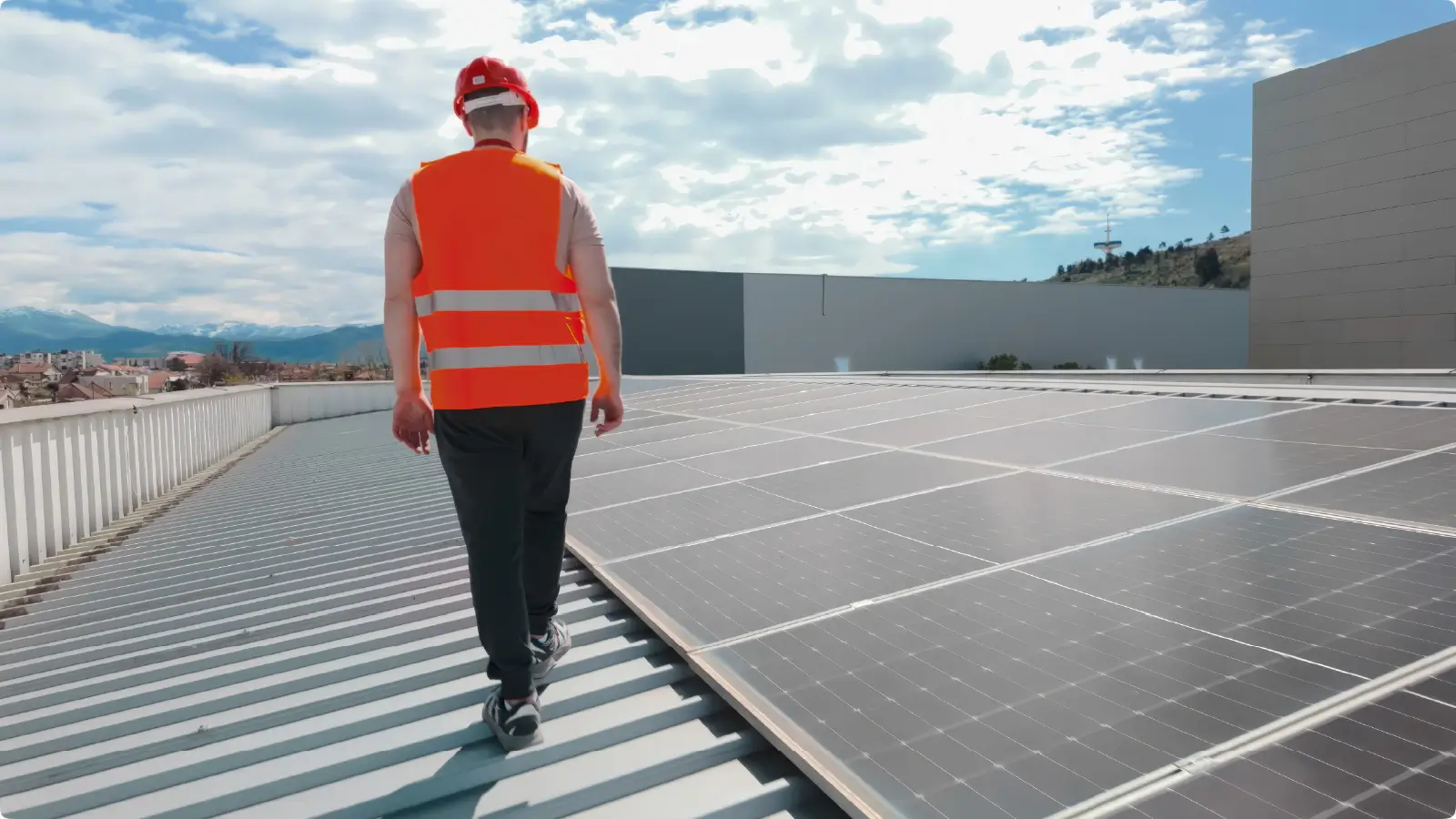
Sistem je razvijen kao cjelina, u kojoj svaka komponenta ima svoju preciznu ulogu. Instalirano je 762 solarna panela, dok su za upravljanje energijom korišćeni inverteri kombinacije Solis i FoxESS. Konstrukcija je riješena kroz K2 Systems rješenja, a sklopna oprema povjerena Schneider Electric-u.
Ono što ovaj projekat čini relevantnim nijesu samo komponente, već rezultati koje takav pristup donosi.
Očekivana godišnja proizvodnja dostiže približno 494.500 kilovat-sati, uz specifične dobitke od 1.179 kWh po instaliranom kilovatu, što jasno govori o nivou optimizacije sistema u odnosu na lokalne uslove.
Kada se taj rezultat prevede u finansijski jezik, slika postaje još jasnija. Godišnja ušteda procijenjena je na nešto više od 37 hiljada eura, a period povrata od oko sedam i po godina potvrđuje da se radi o investiciji sa jasnom ekonomskom logikom.
U dugoročnom horizontu, ovakav sistem ne samo da smanjuje troškove, već generiše značajnu dodatnu vrijednost i smanjuje zavisnost od tržišta energije.
Zašto je ovakav pristup važan?
Ovaj primjer pokazuje jednu važnu stvar koju tržište često zanemaruje.
Solarni sistem nije trošak koji treba minimizirati, već investicija koju treba optimizovati.
Razlika između prosječnog i kvalitetnog rješenja ne ogleda se u jednoj komponenti, već u načinu na koji su sve komponente povezane i prilagođene konkretnoj potrošnji.
Kada se sistem posmatra na taj način, solarna energija prestaje da bude dodatak i postaje dio osnovne infrastrukture, jednako važan kao i bilo koji drugi resurs na kojem poslovanje počiva.
Da li sada investirati u solarne panele?
Ako se posmatra dugoročno, odgovor je sve manje dilema, a sve više logičan izbor.
Solarni paneli u Crnoj Gori nude realnu mogućnost da se troškovi energije stabilizuju i smanje, ali samo ako se pristupi na pravi način.
Ključ nije u brzini odluke, već u kvalitetu pripreme.
Jer na kraju, solarni sistem nije pitanje tehnologije.
To je pitanje odluke kako želite da upravljate energijom u narednih 20 i više godina.
Važno je naglasiti da kvalitet solarnog sistema direktno zavisi od izbora provjerenih proizvođača i njihove međusobne kompatibilnosti, zato u projektima koristimo opremu brendova kao što su Hanersun Solar, Bauer Solar, Solis, K2 Systems i Schneider Electric.
Zatražite ponudu za vaš solarni sistem
Ako razmišljate o instalaciji solarnih panela za vaš objekat, naš tim vam može pomoći da procijenite potencijal, optimizujete sistem i dobijete rješenje prilagođeno vašim potrebama.